
NC Limited Driving Privilege During Points Suspension: What Works
Get My Point-Reduction Insurance QuoteDoes North Carolina Allow Hardship Driving During a Points Suspension?
Yes. North Carolina calls it a Limited Driving Privilege (LDP), and the program is open to drivers suspended for accumulating too many points. Unlike states where the DMV issues restricted licenses through an administrative process, North Carolina requires you to petition a district or superior court judge. The judge decides whether to grant the privilege and defines your allowed routes.
Points-based LDP eligibility does not require a waiting period. The 45-day mandatory hard suspension period applies only to DWI revocations under N.C.G.S. § 20-179.3. If your suspension stems from speeding tickets, distracted driving, or other moving violations that pushed you over the 12-point threshold in three years (or your county's specific accumulation rule), you can petition immediately after suspension.
The court controls the entire process: filing location, required documentation, hearing date, approval decision, and route restrictions. The NC Division of Motor Vehicles does not issue LDPs. This structure means your employer's HR department may ask for court documentation rather than a DMV-issued card.
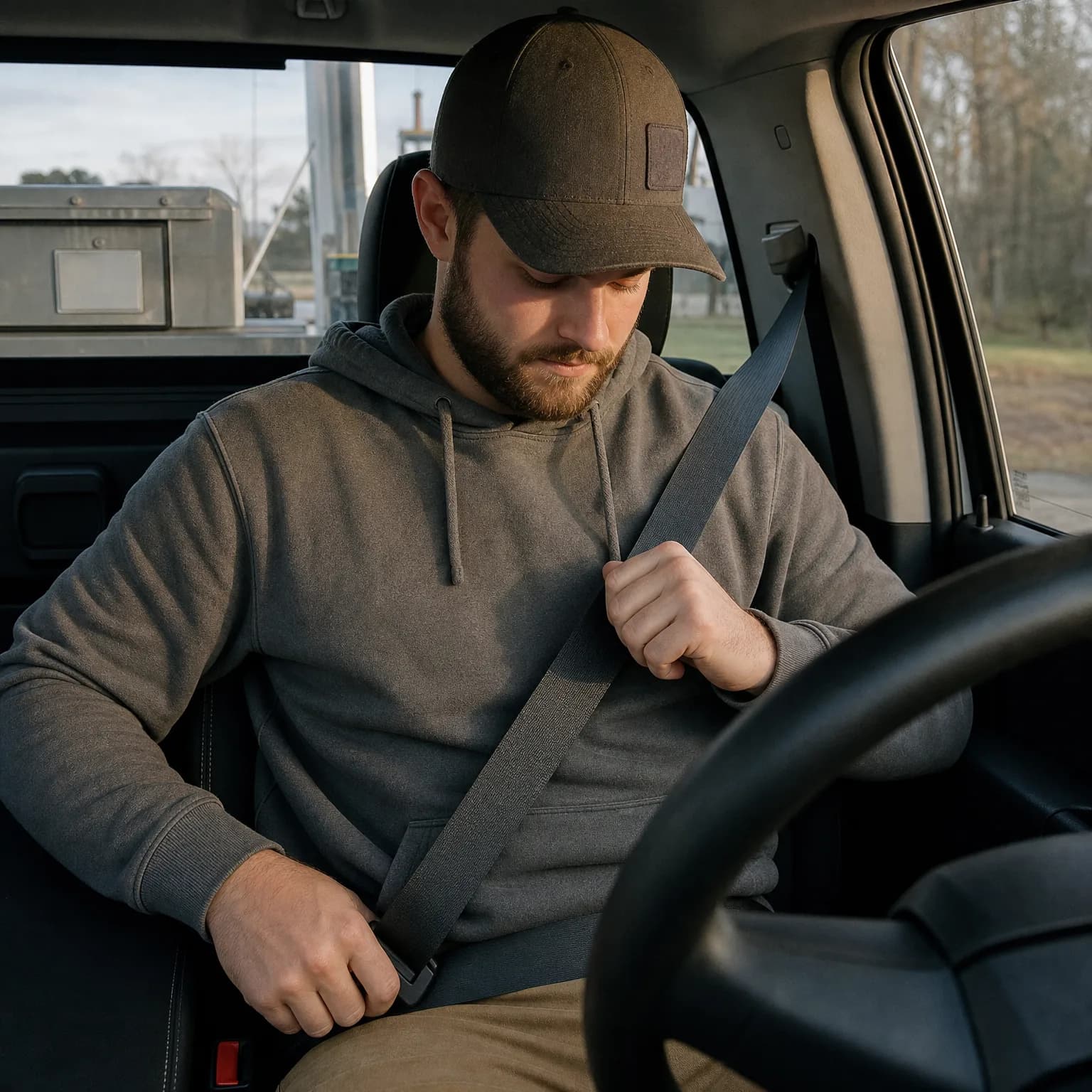
What You Need to File an LDP Petition in North Carolina
You file the LDP petition in the district or superior court of the county where you live or where the most recent traffic offense occurred. Required documentation includes a completed petition form (available from the clerk of court), proof of valid liability insurance meeting North Carolina's 30/60/25 minimum ($30,000 bodily injury per person, $60,000 per accident, $25,000 property damage), and payment of court fees.
If your suspension includes unpaid traffic tickets or court costs from the violations that triggered the point accumulation, you must clear those balances before the judge will approve your petition. North Carolina courts routinely deny LDP requests when fines remain outstanding. Pull your driving record from the NCDMV before filing so you know which tickets added points and whether any associated fines are still open.
SR-22 filing is not required for pure points-threshold suspensions in North Carolina. However, if one of the recent violations on your record was reckless driving (N.C.G.S. § 20-140), street racing, or another offense that independently triggered an SR-22 mandate, you will need to file SR-22 before the court approves your LDP. Check your suspension notice carefully. The violation that pushed you over the point threshold may carry separate SR-22 requirements even when the points accumulation itself does not.
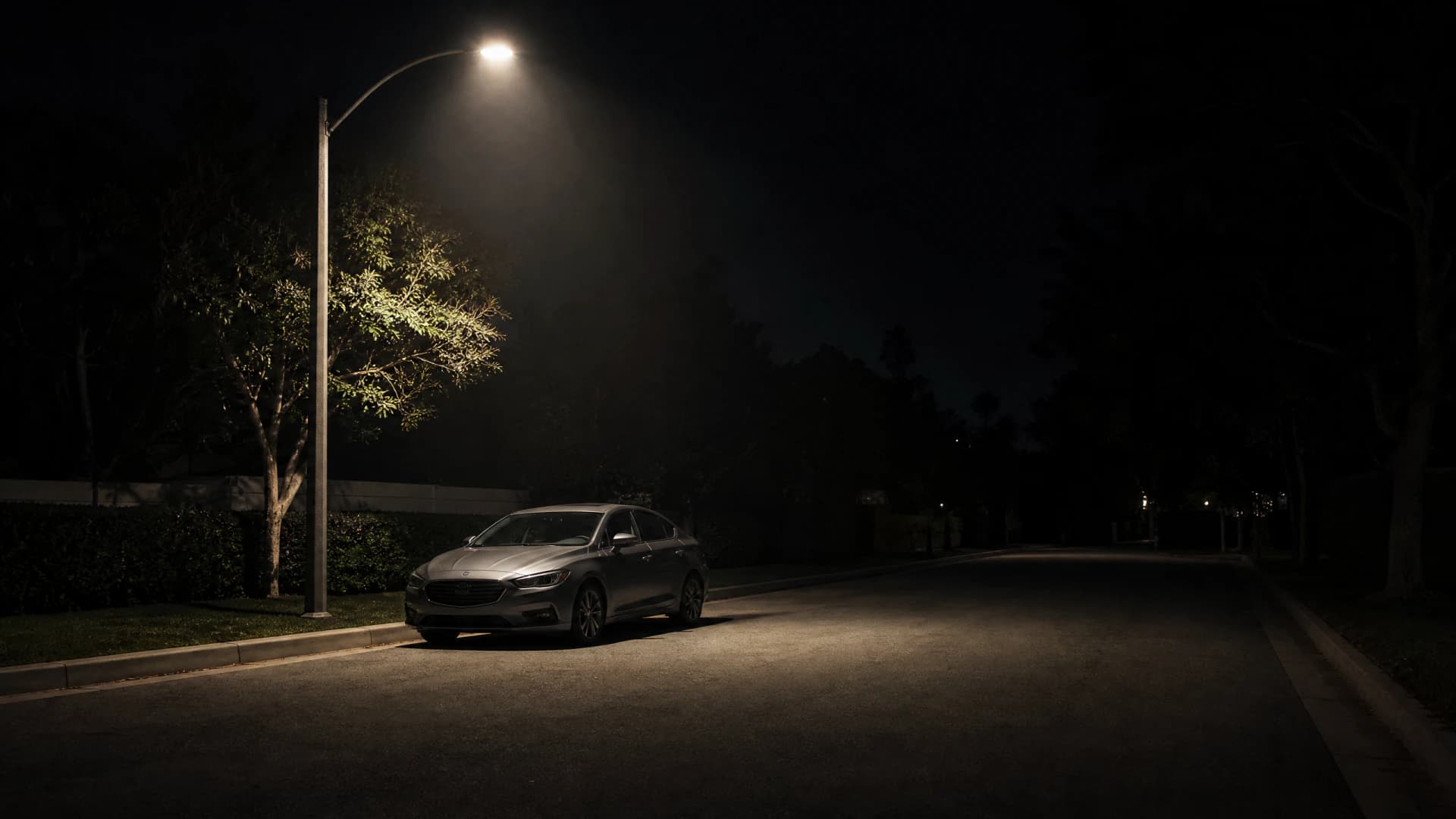

How North Carolina Judges Define Route Restrictions on an LDP
The issuing judge defines your allowed routes and hours in the court order. Typical approved purposes include travel between home and work, home and school, medical appointments, religious activities, and court-ordered programs. The judge may limit driving to specific days and hours — commonly weekdays between 6 a.m. and 8 p.m. for work-related travel.
North Carolina LDP restrictions are narrower than DMV-issued hardship licenses in states like Texas or Florida. The privilege does not cover general errands, social activities, or recreational driving. You cannot stop at a grocery store on the way home from work unless the judge explicitly added grocery shopping to your approved purposes in the order. If your job requires driving to multiple client sites or job locations throughout the day, document that requirement in your petition. Judges grant broader route flexibility when employment demands it, but the burden is on you to explain why standard home-to-work restrictions won't work.
Violating your LDP restrictions triggers immediate revocation and often adds charges for driving while license revoked (DWLR), a Class 1 misdemeanor in North Carolina. The officer who stops you will confirm your current location and time against the court order. If you are outside your allowed routes or hours, the LDP is revoked on the spot.
What Happens If Your Petition Is Denied
Judges deny LDP petitions when documentation is incomplete, when fines or court costs remain unpaid, or when the petitioner's driving record shows recent violations that occurred after the suspension notice. If your petition is denied, you can file again once you address the deficiency the judge cited. There is no statutory waiting period between petitions for points-based suspensions.
Some counties schedule LDP hearings within two weeks of filing. Others take 30 to 45 days. Processing time varies by county caseload and court calendar. If you need the privilege urgently for work, note that in your petition cover letter — judges sometimes expedite hearings when employment loss is imminent.
If the denial was based on unpaid fines, contact the clerk of court in the county where each ticket was issued to confirm the balance and payment method. North Carolina courts accept payment plans for traffic fines in many counties. Clearing the fines and refiling typically results in approval if your petition is otherwise complete.

Find Coverage While Your Points Come Down
Get My Point-Reduction Insurance Quote
How Long the Points Suspension Lasts and When Full Reinstatement Is Available
North Carolina suspends licenses for point accumulation under N.C.G.S. § 20-16(a)(5) when a driver accumulates 12 points within three years. The suspension period is typically 60 days for a first points-based suspension. Repeat suspensions within three years carry longer periods. The suspension clock starts on the effective date shown on your suspension notice, not the date of your last ticket.
Points remain on your North Carolina driving record for three years from the date of conviction, not the date of the offense. A speeding ticket from January 2023 that you paid in March 2023 stays on your record until March 2026. Completing a defensive driving course approved by the North Carolina DMV removes three points from your record. You can take the course once every three years for point reduction, and you can complete it before or after suspension — the three-point credit applies regardless.
Full reinstatement after the suspension period ends requires paying a $65 restoration fee to the NCDMV. If you were granted an LDP during the suspension, the LDP expires when your full license is reinstated. You do not need to return the LDP order to the court — simply pay the restoration fee through the NCDMV's myNCDMV online portal or at a driver license office, and your full driving privileges are restored.

What Insurance Costs Look Like After a Points-Based Suspension in North Carolina
Multiple moving violations that triggered your suspension will increase your auto insurance premium whether or not you lost your license. North Carolina uses the NC Rate Bureau to regulate rate filings, and insurers apply surcharges for each chargeable violation on your record. A driver with three speeding tickets and one reckless driving citation can expect premiums to double or triple compared to a clean-record driver.
Carriers writing high-risk auto insurance in North Carolina include Dairyland, The General, National General, Geico, Progressive, and Direct Auto. If your current carrier non-renews your policy after the violations, expect quotes in the $180 to $320 per month range for liability-only coverage. Full coverage (liability plus collision and comprehensive) typically runs $280 to $450 per month for drivers with recent point accumulation.
SR-22 filing adds $15 to $35 per year to your premium if the underlying violation triggered the SR-22 requirement separately. The SR-22 is not a separate insurance product — it is a certificate your insurer files with the NCDMV confirming you carry the state's minimum liability coverage. Not every points-based suspension requires SR-22. Check your suspension notice and reinstatement requirements letter from the NCDMV to confirm whether SR-22 is mandated in your case.
What to Do Right Now
Pull your North Carolina driving record from the NCDMV website to confirm your current point total, which violations are on your record, and whether any fines remain unpaid. If you need to drive for work or medical appointments during your suspension, locate the district or superior court in your county and request the LDP petition form from the clerk of court.
Contact your current auto insurance carrier to confirm your policy is active and meets North Carolina's minimum liability requirements. If your carrier has already non-renewed you, begin comparing quotes from carriers writing high-risk and non-standard auto insurance in North Carolina. Driving without insurance during an LDP period will result in immediate revocation of the privilege and additional penalties.
If one of the violations on your record was reckless driving, racing, or another offense that triggered a separate SR-22 requirement, arrange SR-22 filing through your insurer before you file your LDP petition. The judge will not approve the petition if required SR-22 documentation is missing.
Frequently Asked Questions
Can I get an LDP in North Carolina if I was suspended for too many speeding tickets?
Yes. North Carolina allows Limited Driving Privilege petitions for points-based suspensions caused by speeding tickets or other moving violations. You petition the district or superior court in your county, and the judge decides whether to approve your request and what routes you can drive.
Do I need SR-22 for a points suspension in North Carolina?
Not automatically. Pure points-threshold suspensions do not require SR-22 in North Carolina. However, if one of the recent violations that added points to your record was reckless driving, street racing, or another offense that independently triggered SR-22, you will need to file SR-22 before the court approves your LDP petition.
How long does it take to get an LDP approved in North Carolina?
Processing time varies by county. Some North Carolina counties schedule LDP hearings within two weeks of filing. Others take 30 to 45 days depending on court calendar and caseload. If you need the privilege urgently for work, note that in your petition — judges sometimes expedite hearings when employment loss is imminent.
Will taking a defensive driving course remove points from my North Carolina record?
Yes. Completing a defensive driving course approved by the North Carolina DMV removes three points from your driving record. You can take the course once every three years for point reduction, and the three-point credit applies whether you complete the course before or after your suspension.
What happens if I drive outside my LDP route restrictions in North Carolina?
Your LDP is revoked immediately. Violating LDP restrictions in North Carolina also results in charges for driving while license revoked (DWLR), a Class 1 misdemeanor. The officer who stops you will compare your current location and time to the court order, and if you are outside approved routes or hours, the privilege ends on the spot.
Can my employer reject my North Carolina LDP if they need proof I can drive?
Some employers ask for DMV-issued hardship documentation rather than court orders. North Carolina LDPs are issued by judges, not the NCDMV. Bring a certified copy of your court order to HR and explain that North Carolina's restricted driving program is court-administered. Most employers accept the documentation once the structure is clarified.
Related Articles

First vs Repeat NC Points Suspension Recovery Paths
5/18/2026
NC Points Suspension: Court Petition Before DMV Fee
5/18/2026

12 Points in 3 Years NC: Suspension & LDP Process
5/18/2026
NC Defensive Driving: Point Reduction After Suspension
5/18/2026

Affordable Monthly Points Coverage NC
5/29/2026

12 Points in 3 Years NC: Automatic Suspension Explained
5/18/2026