
Nevada Points Suspension Recovery: Course to Reinstatement
Get My Point-Reduction Insurance QuoteNevada's Point Threshold and the 45-Day Hard Window
Nevada suspends your license when you accumulate 12 points within 12 months. Each speeding ticket, failure to yield, or distracted driving citation adds to that total. The suspension itself does not require SR-22 filing — the points-cause trigger is separate from the underlying violations that generated the points.
Nevada's administrative suspension authority lies with the Nevada Department of Motor Vehicles. Once the DMV determines you've crossed the 12-point threshold, they mail a suspension notice. That notice typically gives you a 45-day window before the suspension takes effect. During those 45 days, you can request a DMV hearing to contest the point calculation or apply for a restricted license.
The DMV's insurance verification system (NIVS) runs continuously. If your policy lapses during the suspension or restricted-license period, the DMV will extend the suspension and require SR-22 filing to reinstate. Most points-cause drivers do not face SR-22 requirements unless a specific underlying violation — reckless driving, speed contests, or DUI — triggered SR-22 separately. Read your suspension notice carefully to confirm whether SR-22 filing appears as a condition.

Defensive Driving Credit: The Pre-Suspension Window Most Drivers Miss
Nevada allows defensive driving credit to remove points from your record — but only before the suspension notice is mailed. Once the DMV issues the suspension notice, defensive driving credit no longer applies to the current suspension cycle. Most drivers discover this rule after they've already received the notice.
A Nevada-approved traffic safety course typically removes 3 points from your record. If you're sitting at 10 or 11 points and know a recent ticket will push you over 12, completing the course before the DMV processes the final ticket can keep you under the threshold. The course must be completed through a Nevada-approved provider and the certificate filed with the DMV before the suspension determination is finalized.
The course costs approximately $30–$60 online and takes 4–8 hours. Nevada DMV maintains a list of approved providers on their website. Once you complete the course, the provider files the certificate electronically with the DMV. Processing takes 5–10 business days. If the DMV has already calculated your 12-point total and mailed the suspension notice, the defensive driving credit will not reverse the suspension — it will only apply to future violations.

Nevada's Restricted License: Application Path and Route Restrictions
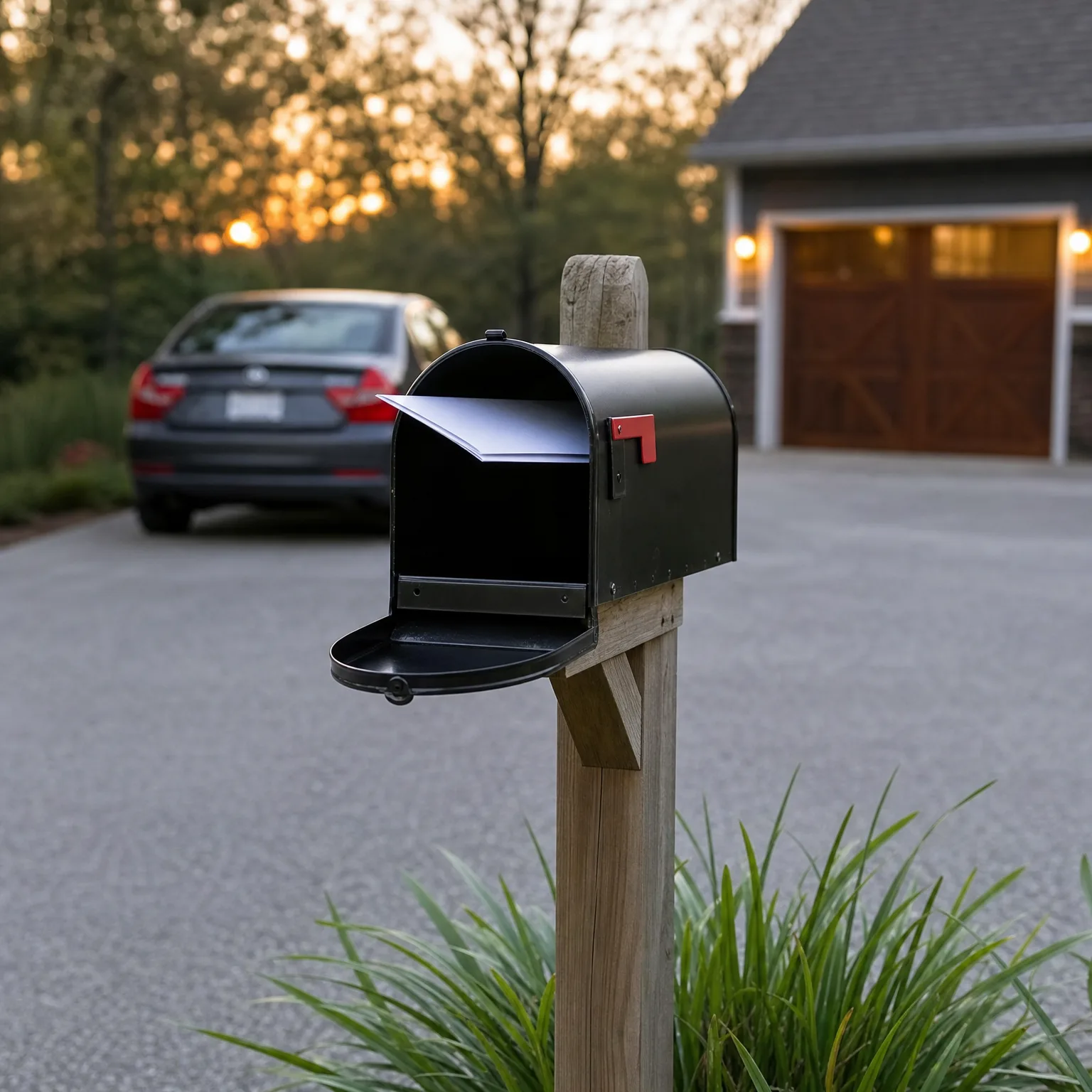
Nevada calls it a Restricted License. It is available to points-cause drivers immediately after the suspension takes effect — there is no waiting period. You apply directly through the Nevada DMV, either in person at a local office or by mail. Nevada does not offer a fully online pathway for restricted license applications as of current DMV procedures.
The application fee is not universally published across all DMV offices, but most Nevada drivers report fees in the range of $35–$50 for the restricted license application itself, separate from the $35 reinstatement fee you'll pay when the full suspension period ends. You must provide proof of insurance at the time of application. If your underlying violation triggered SR-22 filing separately, the SR-22 certificate must be on file with the DMV before the restricted license is approved.
Route restrictions on the Nevada restricted license are case-specific. The DMV or court order will define approved purposes: typically driving to and from work, school, medical appointments, or court-ordered programs. Nevada does not publish a universal statewide time window for restricted driving — restrictions vary by individual case. Most restricted licenses limit driving to the hours necessary for approved purposes only. If your job requires evening shifts, document that explicitly in your application. Nevada DMV reviews each application individually and may deny the restricted license if the stated need does not meet the statutory standard of "compelling need."
Ignition Interlock Device Requirement for DUI-Related Points
If your 12-point total includes a DUI conviction, Nevada requires an ignition interlock device (IID) on the restricted license. This applies even if the DUI was your only conviction — the points-cause suspension and the DUI suspension can run concurrently, but the IID requirement follows the DUI, not the points total.
Nevada expanded IID requirements around 2017. First-time DUI offenders who complete the mandatory 45-day hard suspension may drive with an IID-equipped vehicle for the remainder of the suspension period. The IID requirement applies regardless of whether you hold a restricted license or a standard license post-reinstatement. The device must remain installed for the full term specified in your court order, typically 6 months to 3 years depending on whether this is a first, second, or subsequent DUI offense.
IID installation costs approximately $70–$150, with monthly monitoring fees of $60–$90. You pay the provider directly — the fee is not part of the DMV reinstatement process. If your restricted license application does not document IID installation and your suspension includes a DUI component, the DMV will deny the application.

Find Coverage While Your Points Come Down
Get My Point-Reduction Insurance Quote
Reinstatement Fee and Timeline After Suspension Ends
Nevada's base reinstatement fee is $35. You pay this fee after the suspension period ends and all conditions are satisfied. If your suspension included unpaid fines, unresolved citations, or insurance lapses, those must be cleared before the DMV will accept the reinstatement fee.
The $35 fee applies to standard points-cause suspensions. If your suspension involved insurance lapses or uninsured driving, Nevada applies a separate reinstatement fee structure under NRS 485, and SR-22 filing is required. Most points-cause suspensions do not require SR-22 unless a specific underlying violation triggered it separately.
Nevada DMV eServices allows online payment of reinstatement fees for qualifying suspension types. Log in at dmvnv.com, navigate to the reinstatement section, and confirm your suspension type is eligible for online processing. DUI-related suspensions generally require an in-person DMV appointment and cannot be processed online. If the online portal redirects you to in-person service, schedule your appointment as soon as your suspension period ends — DMV offices in Las Vegas and Reno often have multi-week wait times.

What Happens If You Drive on a Suspended License in Nevada
Driving on a suspended license in Nevada is a misdemeanor. First offense carries fines of $200–$1,000 and potential jail time of up to 6 months. More critically, the DMV extends your suspension period by an additional 6 months to 1 year, and you become ineligible for a restricted license during that extended period.
If you're pulled over while driving on a restricted license outside your approved routes or time windows, the DMV treats it as driving on a suspended license — the restricted license is revoked and you start over. Nevada law enforcement has access to real-time DMV status, so any traffic stop will immediately flag your license status. Most drivers caught violating restricted license terms lose the restricted license and serve the remainder of the suspension period without driving privileges.
Nevada reports all suspensions and violations to the Driver License Compact (DLC) and Non-Resident Violator Compact (NRVC). If you hold an out-of-state license but were suspended in Nevada, your home state will be notified and may suspend your home-state license as well. This is particularly relevant for Nevada's large transient and military population — a Nevada suspension does not stay in Nevada.
Insurance Impact: What Points-Cause Drivers Pay After Reinstatement
Nevada carriers see the same point total the DMV sees. Multiple moving violations within 12 months signal high risk, and your premium will reflect that. Most Nevada drivers with 12-point suspensions see their rates increase by 40%–80% upon reinstatement, depending on the severity of the underlying violations.
Speeding tickets 15+ mph over the limit, failure to yield, and distracted driving citations each add 1–4 points in Nevada. If your 12-point total includes a reckless driving conviction (typically 8 points), you're more likely to face non-renewal from standard carriers like State Farm or Allstate. Non-standard carriers — Bristol West, Dairyland, The General — specialize in multi-violation profiles and will quote you, but expect monthly premiums in the range of $180–$280 for minimum liability coverage.
If your underlying violations did not trigger SR-22 filing, you can shop for high-risk auto insurance without the SR-22 filing requirement. If one of your violations did trigger SR-22 separately, you'll need a carrier licensed to file SR-22 certificates in Nevada. Geico, Progressive, and The General all write SR-22 policies in Nevada and offer online quotes. Compare at least three quotes — rate variation for multi-violation drivers can exceed 50% between carriers for identical coverage.
Frequently Asked Questions
How many points does a speeding ticket add to my Nevada driving record?
Nevada adds 1 point for speeding 1–10 mph over the limit, 2 points for 11–20 mph over, 3 points for 21–30 mph over, and 4 points for 31+ mph over. Speeding in a school or work zone doubles the point penalty. Points remain on your record for 12 months from the conviction date.
Can I complete defensive driving after my Nevada suspension notice arrives?
No. Nevada only applies defensive driving credit if you complete the course and file the certificate before the DMV mails the suspension notice. Once the notice is mailed, the 3-point credit will not reverse the current suspension — it will only apply to future violations.
Does Nevada require SR-22 filing for points-cause suspensions?
Not automatically. The 12-point suspension itself does not trigger SR-22. However, if one of your underlying violations — reckless driving, DUI, or uninsured driving — triggered SR-22 separately, you must file SR-22 before the DMV will approve a restricted license or full reinstatement.
How long does a Nevada restricted license application take to process?
Processing time varies by DMV office and case complexity. Most in-person applications are approved or denied within 5–10 business days. Mail applications take 2–4 weeks. If your application requires a court order or additional documentation, expect longer processing times.
What happens if I move to another state during my Nevada suspension?
Nevada reports the suspension to the Driver License Compact (DLC). Your new state will be notified and may suspend your license there as well. You cannot escape a Nevada suspension by moving — you must complete Nevada's reinstatement requirements before any state will issue or reinstate a license.
Can I get a Nevada restricted license if I have unpaid tickets?
No. Nevada DMV requires all outstanding fines, fees, and unresolved citations to be cleared before approving a restricted license application. Pay all tickets and confirm with the court that no holds remain on your record before applying.
How much does car insurance cost in Nevada after a points suspension?
Most Nevada drivers with 12-point suspensions pay $180–$280 per month for minimum liability coverage from non-standard carriers. Standard carriers often non-renew multi-violation drivers. Rates vary by underlying violations, age, and location — Las Vegas and Reno drivers typically pay 15%–25% more than rural Nevada drivers.
Related Articles

Nevada Defensive Driving Point Reduction After Suspension
5/18/2026

Nevada Point System: 12-Point Threshold and Reinstatement
5/18/2026

Nevada Point Threshold & Reinstatement Path Explained
5/18/2026

How Long Do Nevada Points Stay on Your Record?
5/18/2026

NM Defensive Driving: Point Reduction After Suspension
5/18/2026

Nebraska Points Suspension Reinstatement Window Explained
5/18/2026